Reminder:In the case of a pastoral care need, please contact the following:
March 2 - March 12: Rev. Nan Sollo, 970-988-4755
March 13 - April 5: Rev. Elizabeth Endicott, 507-440-4934
Dearly Beloved,
Today is one of those days where I'm not sure where to begin. Last week, I wrote of the sacred work of letting go. In some ways it feels needful to continue to address that work. And the work of grief and good goodbyes. In hospice work, one of the things that is asked of patients is: "What does a perfect death look like for you?" and I'm struck by how rarely we ask that with goodbyes even though, in some ways, we have a lot more agency over leavings and goodbyes than death.
Just a reminder that as part of our Palm Sunday (March 29) worship, we will have a litany of goodbye (which includes representatives from the Rocky Mountain Conference Committee on Ministry, the Rocky Mountain Conference broadly speaking, and the wider Loveland clergy community) to ritualize our letting go, even as we ritualized our coming together with a service of Installation back in early 2019. Following worship on the 29th, we'll have a farewell reception downstairs. If you'd like to help with the latter, please reach out to Diane Levy or Rhonda Racicot.
Yes, I could reflect on good goodbye saying.
And we are also a country at war -- allied with Israel against Iran. The news seems incessant. Gas prices have already risen. People's children have been deployed. Civilians killed. I realize -- and have said to several of you -- that it feels like the timing of my departure is pretty darn terrible: the world is on fire, and your pastor is leaving you. I hold tenderly that the world is on fire. And I will say here what I have said other places and others have said before me: I am not the church. A pastor is not the church. You are. Together. And that isn't going away.
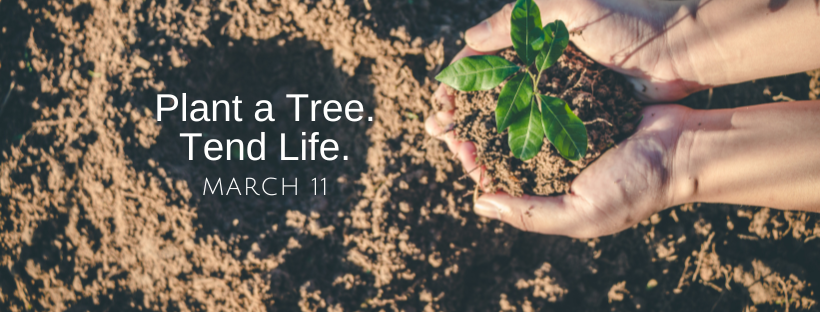
In a recent substack post, Cameron Trimble shared a story about a rabbi who was asked a frightening question: "What should a person do if they knew the world would end tomorrow?" In response, the rabbi said simply: "Then today, you should plant a tree."
As Trimble writes:
- Plant a tree because compassion still matters.
- Plant a tree because truth still matters.
- Plant a tree because the future—even an uncertain future—is still worthy of care.
In other words, keep tending life.
Good religion has always known this truth. We cannot control the great movements of history. None of us can stop the machinery of war alone. But we are not powerless.
- We can decide who we will be while history unfolds around us.
- We can keep loving our neighbors.
- We can keep telling the truth.
- We can keep protecting the vulnerable.
- We can keep tending the earth.
- We can keep planting trees.
- We don’t know what tomorrow will bring. But we know who we are called to be today.
And whether we are considering the departure of a pastor, whether we are considering a change of life due to illness or death, whether we are thinking about the war that our country is raging outside of our borders as well as the violence occurring right here at home, there is wisdom in this. In the midst of change and uncertainty plant a tree. Tend life. Trust that God can grow things and do something new even where we can only see endings, death, and destruction.
As Trimble so eloquently writes: "We don't know what tomorrow will bring. But we know who we are called to be today." Thankfully, we don't have to be that alone. May we have the courage to be it together.
With love and hope,
Thandiwe